

Real Estate Attorneys in New York City
Representing buyers, sellers, landlords, and tenants in residential and commercial real estate matters across the five boroughs.
Our Practice
Real Estate Representation in Midtown Manhattan
Yazdi Law represents buyers, sellers, landlords, tenants, borrowers, and investors in the full range of New York real estate matters — residential and commercial closings, purchase and sale contracts, deed transfers, lease negotiations and disputes, landlord-tenant litigation, eviction proceedings and tenant defense in New York City Housing Court, and foreclosure defense. Our office is at 261 Madison Avenue in Midtown Manhattan, and we handle transactions and disputes involving property across all five boroughs and the surrounding counties, including Nassau, Suffolk, and Westchester. Our transaction work covers Manhattan condos and co-ops, Brooklyn brownstones and new construction, Queens residential purchases, Bronx multifamily buildings, and Staten Island residential closings.
New York is unusual in that attorney representation is effectively required for most real estate transactions. Unlike many states where title companies handle closings without legal involvement, New York contracts are drafted and negotiated by attorneys, and the closing itself is typically attended by attorneys for the buyer, seller, and lender. This structural reality means that the choice of real estate counsel meaningfully affects the outcome — the protection built into your contract, the issues identified and resolved before closing, and the efficiency of the closing process itself.
Our real estate clients include first-time homebuyers purchasing condos or co-ops in New York City, sellers closing on residential sales, commercial buyers and tenants negotiating leases, real estate investors managing portfolios, landlords pursuing eviction proceedings, tenants defending against eviction, property owners dealing with deed and title issues, and borrowers navigating mortgages and refinances. We also handle Farsi-speaking clients in their preferred language, which matters particularly for first-generation immigrants and international investors unfamiliar with American real estate procedure. For any real estate matter, call (917) 565-7286 or request a consultation online.
Our Approach
How We Approach Real Estate Matters
Real estate law rewards attorneys who pay attention to detail and who understand both the transactional and litigation sides of the practice. Our approach reflects that reality.
At the initial consultation for a transactional matter, we review the deal's basic structure — the property, the price, the parties, the financing, and the timeline. We identify the issues that will drive the closing: title questions, board approval for co-ops, inspection contingencies, mortgage contingencies, and any unusual aspects of the property or the counterparty. For litigation and landlord-tenant matters, we discuss the underlying facts, the procedural posture, and the likely path to resolution.
Our practice is anchored in New York, and New York real estate law has distinctive features that affect how matters are handled. Residential purchases in New York City typically involve one of three property types — houses, condominiums, and cooperatives — each with different legal structures and different closing procedures. Co-op purchases, in particular, require board approval and involve the transfer of shares rather than real property, which changes the legal framework entirely. Transfer tax obligations are significant: New York State imposes a real estate transfer tax, New York City imposes its own Real Property Transfer Tax (RPTT) on top, and buyers of residential property at $1 million or more pay an additional "mansion tax" under Tax Law § 1402-a. Title issues in New York City frequently involve recorded liens, easements, and encumbrances going back decades, and the Office of the City Register's records must be carefully reviewed as part of any closing.
For landlord-tenant matters, New York City Housing Court (part of Civil Court) handles most disputes under the Real Property Actions and Proceedings Law (RPAPL). The Housing Stability and Tenant Protection Act of 2019 (HSTPA) substantially reshaped tenants' rights across the state, and NYC's rent-regulated housing stock adds another layer of complexity that non-specialists often mishandle.
Amirali Oloomiyazdi, Esq., the firm's managing attorney, handles real estate matters personally. Clients communicate directly with the attorney — not a paralegal — when questions arise during a transaction or dispute. For Farsi-speaking clients, consultations, contract review, and closing attendance can all be conducted in Farsi.
Free Consultation
Buying, selling, or dealing with a real estate dispute? Discuss your matter with an experienced New York real estate attorney.
Contact Us NowService Areas
Real Estate Services in New York City
New York real estate practice covers both transactional work (closings, contracts, leases) and litigation (evictions, foreclosure defense, title disputes). Below is a walkthrough of the specific matters the firm handles.
Residential Purchases and Sales
We represent buyers and sellers of houses, condominiums, and cooperatives across New York City. For buyers, this includes reviewing and negotiating the purchase contract, ordering and reviewing title reports, coordinating with lenders, addressing any title issues through the title company, attending the closing, and ensuring proper recording of the deed with the Office of the City Register. For sellers, representation includes preparing the contract, addressing any existing liens or encumbrances, coordinating payoff of existing mortgages, and handling transfer tax filings — Form TP-584 for New York State transfer tax and Form RP-5217-NYC for NYC transactions.
More on residential closingsCommercial Real Estate
We represent commercial buyers, sellers, landlords, and tenants in office, retail, mixed-use, and multifamily property transactions. Commercial matters typically involve more complex contract negotiation than residential, including provisions for due diligence periods, environmental indemnification, representations and warranties, and assignment rights. Commercial leases routinely involve extensive negotiation over rent escalation, CAM charges, tenant improvement allowances, and renewal rights.
Cooperative (Co-op) Transactions
NYC's co-op market requires specialized handling. A co-op purchase is not a purchase of real property — it is the acquisition of shares in a cooperative corporation along with a proprietary lease for a specific unit. The transaction requires review of the cooperative's proprietary lease, bylaws, financials, and house rules; submission of a detailed board package; and typically an in-person interview with the co-op board. Board rejection is a real risk, and contracts must be structured to protect the buyer if the board denies approval. We handle co-op purchases and sales with attention to these specific dynamics.
Leases and Lease Disputes
We draft and review residential and commercial leases, negotiate amendments and modifications, handle lease assignment and subletting matters, and represent parties in disputes over lease terms. Commercial lease negotiation typically involves substantial back-and-forth on key economic and operational terms.
Landlord-Tenant Litigation and Eviction Defense
We represent both landlords and tenants in New York City Housing Court proceedings, including the Bronx Housing Court, Brooklyn Housing Court at 141 Livingston Street, Queens Housing Court in Jamaica, Manhattan Housing Court at 111 Centre Street, and Staten Island Housing Court. For landlords, this includes holdover proceedings, non-payment proceedings under RPAPL § 711, and compliance with New York's rent stabilization and rent control laws. For tenants, we defend against evictions, assert rent overcharge claims, and litigate habitability issues under Multiple Dwelling Law § 78 and the warranty of habitability under Real Property Law § 235-b. The Housing Stability and Tenant Protection Act of 2019 changed the procedural landscape substantially, extending notice periods and providing expanded tenant protections.
Foreclosure Defense
We represent homeowners facing foreclosure in New York Supreme Court, where foreclosure actions are filed under RPAPL Article 13. New York is a judicial foreclosure state, meaning the lender must file a lawsuit and obtain a judgment before foreclosing — which provides substantial opportunities for defense, including mandatory settlement conferences under CPLR § 3408 and affirmative defenses based on improper service, standing issues, and violations of notice requirements.
Title Issues and Deed Transfers
We address title defects, clear liens and encumbrances, handle quiet title actions when needed, and prepare and record deeds for inter-family transfers, LLC transfers, and other non-sale conveyances. Deed preparation must comply with Real Property Law § 258 requirements for form, and improper drafting creates title problems that surface at future sales.
Refinancing and Mortgage Matters
We represent borrowers in mortgage refinancing transactions, including coordination with lenders, title review, and attendance at refinance closings.
The Process
The Real Estate Closing and Litigation Process
The workflow differs for transactional matters and litigation matters.
For a residential purchase or sale, the process generally proceeds as follows. After your offer is accepted (or the offer is received if you are selling), contact us before signing anything. We review or prepare the contract, negotiate any changes, and coordinate signing and delivery with the other side's attorney. Once the contract is fully executed, we order the title report, review it for defects or issues, and coordinate resolution through the title company. If you are obtaining financing, we work with the lender through underwriting and clear-to-close. We coordinate the closing date with all parties, prepare closing statements, attend the closing, ensure proper signing and delivery of all documents, oversee wiring of funds, and record the deed and mortgage. A typical residential transaction from contract to closing takes 45 to 90 days, with cash purchases on the faster end and financed purchases on the longer end. Co-op purchases often take longer due to the board approval process, which alone can take four to eight weeks.
For a landlord-tenant matter, timelines depend on the specific proceeding. Non-payment cases typically resolve in two to four months when uncontested and longer when defended. Holdover proceedings take three to six months for straightforward cases. Contested cases involving rent stabilization issues or extensive defense can extend well beyond that. Post-HSTPA notice requirements add to pre-filing timelines.
What to bring to the consultation: For a transaction, bring the contract (if one has been prepared), the listing information, your financing pre-approval if you have one, and any prior correspondence. For a dispute or litigation, bring any court papers, notices you have received or served, the underlying lease or contract, and any relevant correspondence with the other side. Don't delay the call to gather every document — the most important thing in real estate matters is that deadlines get identified and handled.
After retention, we take over the handling of the matter. You are updated at every significant milestone and can reach the attorney directly for questions. We coordinate with all other parties — other attorneys, title companies, brokers, lenders, managing agents, boards — so you are not caught in the middle of procedural communications.
Our Advantage
Why Clients Choose Yazdi Law
Several factors distinguish the firm's real estate practice. First, every client works directly with an attorney. In real estate — where a contract clause missed, a title issue overlooked, or a filing deadline missed can cost tens of thousands of dollars or more — attorney attention to detail is measurable in concrete financial terms. Amirali Oloomiyazdi, Esq. handles matters personally, reviews every contract, and attends closings in person when circumstances require.
Second, the firm's Madison Avenue location is central to the Midtown Manhattan business district, which is practical for commercial transactions, co-op board appointments, and closings that often occur at downtown offices of major lenders and title companies. The office is steps from Grand Central Terminal with direct subway access from all boroughs.
Third, Yazdi Law provides counsel in English and Farsi. For first-generation immigrants, international investors, and members of the Iranian-American community purchasing or selling New York real estate, language access in the complex and consequential transactional context — where unfamiliar documents are signed under time pressure — changes both comprehension and confidence.
Fourth, Yazdi Law handles both transactional and litigation real estate matters. Many firms handle one or the other; clients often need both over time. A purchaser today may need a landlord-tenant attorney in two years; a landlord defending an eviction may need a closing attorney next month. Maintaining a single firm relationship for all real estate needs simplifies the client experience and preserves institutional knowledge of the client's properties.
Fifth, Yazdi Law's other practice areas — immigration, matrimonial, and personal injury — frequently intersect with real estate matters. Divorces require distribution of real property; immigrants purchasing their first home may need immigration guidance on EB-5 investor matters or marriage-based residency; injury settlements often fund real estate purchases. The firm can address these interconnected needs rather than requiring clients to coordinate across multiple offices.
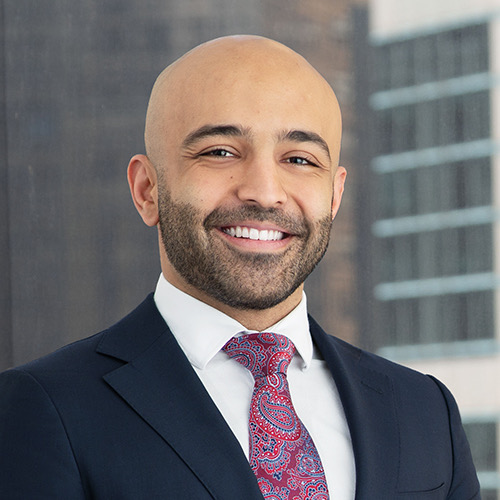
Amirali Oloomiyazdi, Esq.
Managing Attorney
Amirali Oloomiyazdi handles real estate matters personally — reviewing every contract, coordinating closings, and representing clients in landlord-tenant disputes. An attorney admitted in New York, New Jersey, and the District of Columbia, he provides counsel in both English and Farsi.
View Full BioFAQ
Frequently Asked Questions
Do I need an attorney for a real estate closing in New York?
How much are closing costs in New York?
What is the difference between a co-op and a condo in New York City?
I received an eviction notice or petition. What should I do?
How long does foreclosure take in New York?
What is the mansion tax in New York City?
What is the process for buying a co-op in New York City?
What are a tenant’s rights in New York City?
How long does a real estate closing take in New York?
Who pays the transfer tax when selling property in New York City?
Schedule a Consultation
If you are buying or selling property, negotiating a lease, facing an eviction, or dealing with any other real estate matter in New York, call Yazdi Law at (917) 565-7286 or request a consultation online. Our Midtown Manhattan office is at 261 Madison Avenue, Suite 1035, two blocks from Grand Central Terminal. Initial consultations are free. Representation is available in English and Farsi.
Disclaimer: The information on this page is for general informational purposes and does not constitute legal advice. Statutory citations, court procedures, tax rates, and timelines reflect New York law as of the date of publication and may change. Every matter is unique; prior results do not guarantee a similar outcome; and outcomes depend on specific facts and circumstances. Contacting Yazdi Law does not create an attorney-client relationship. Attorney Advertising.